Patrick Taylor Artist
WOMEN OF AGE — PORTRAITS OF PRESENCE, MEMORY AND QUIET ENDURANCE
Artist's statement (draft)
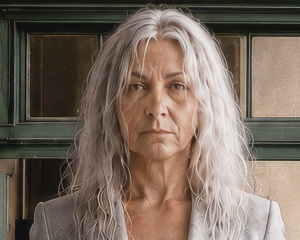
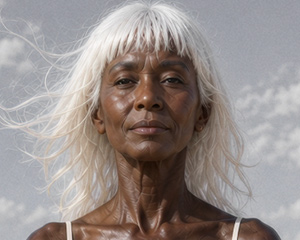
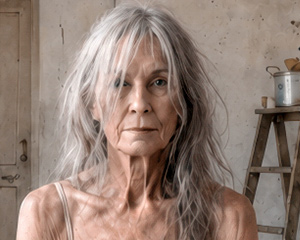
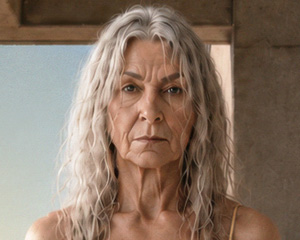
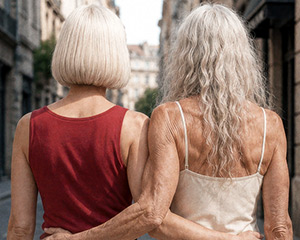
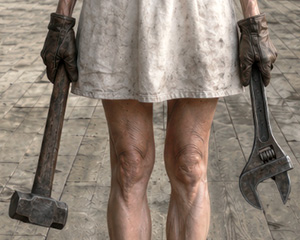
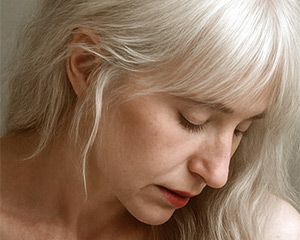
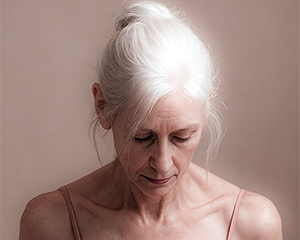
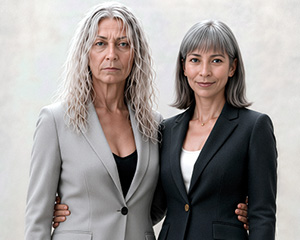
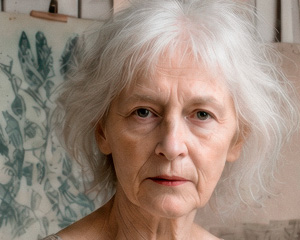
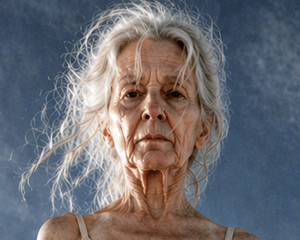
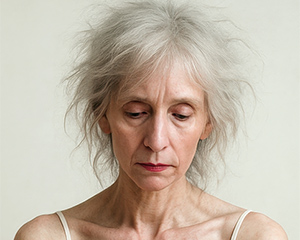
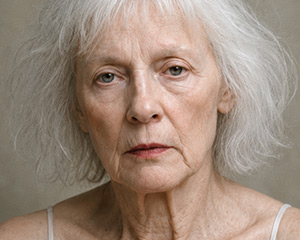
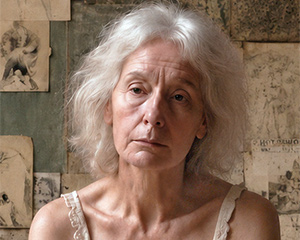
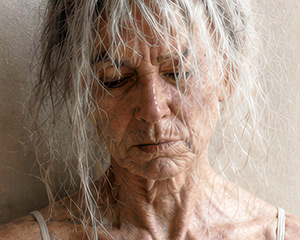
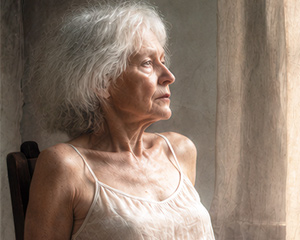
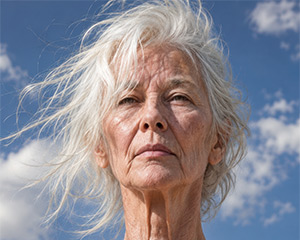
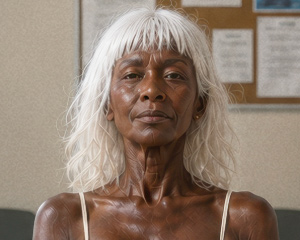
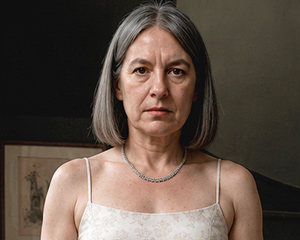
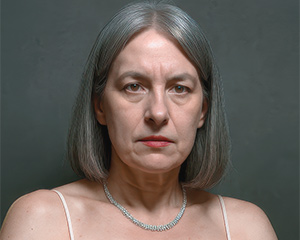
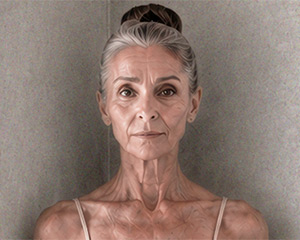
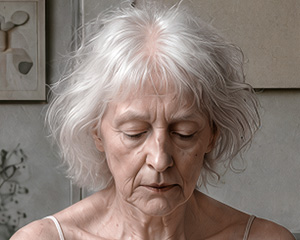
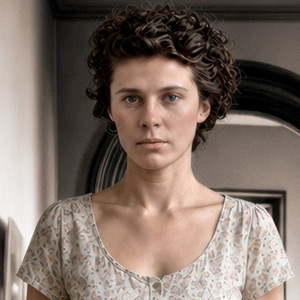
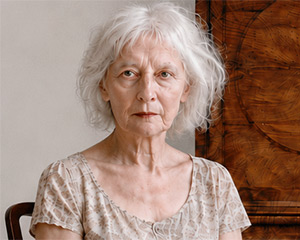
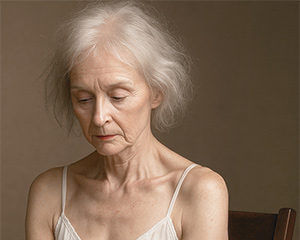
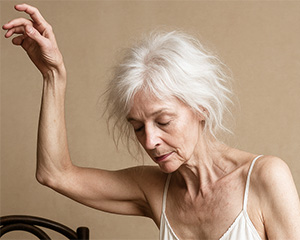
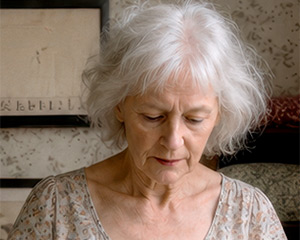
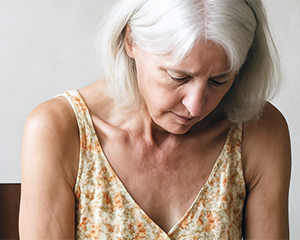
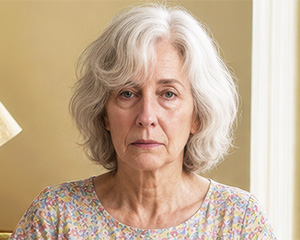
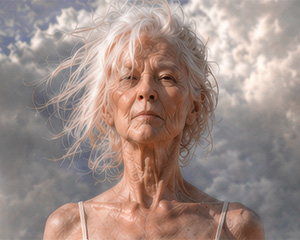
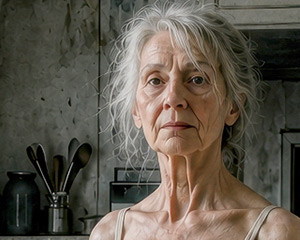
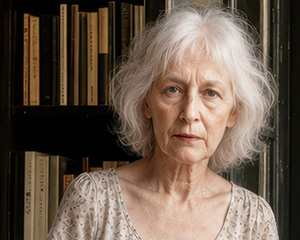
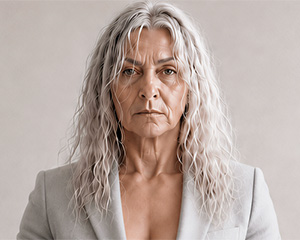
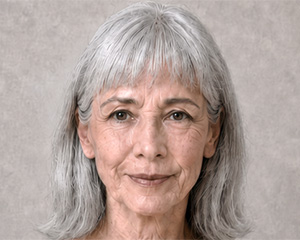
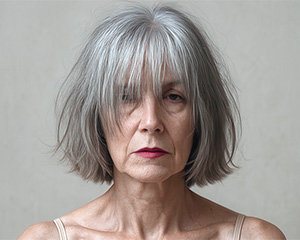
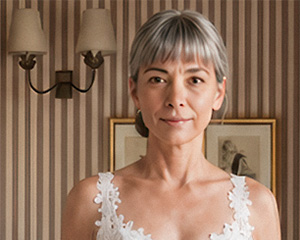
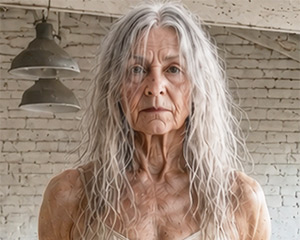
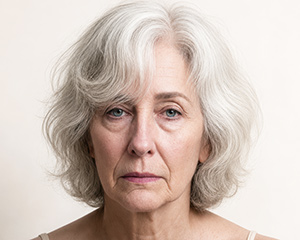
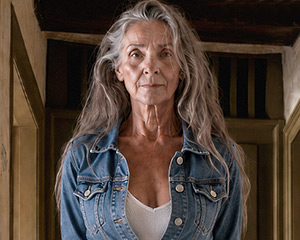
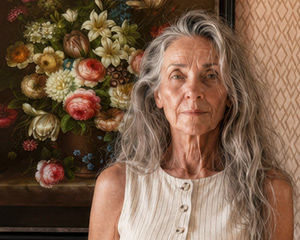
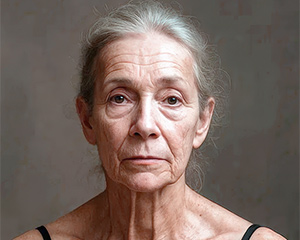
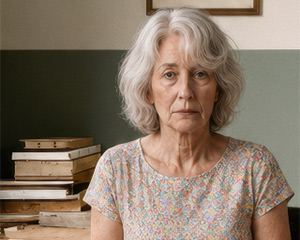
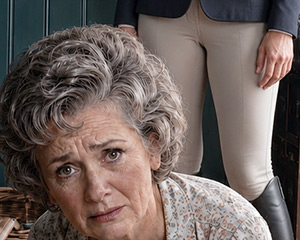
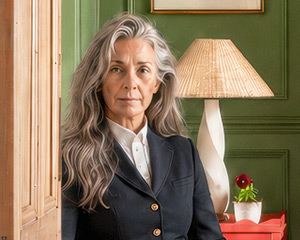
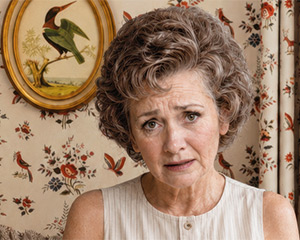
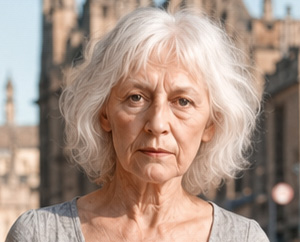
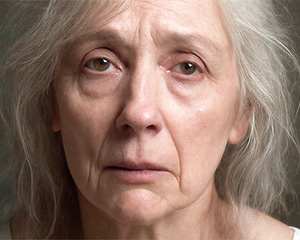
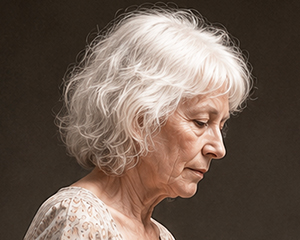
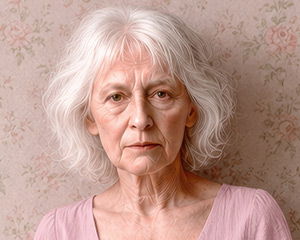
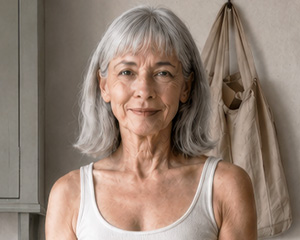
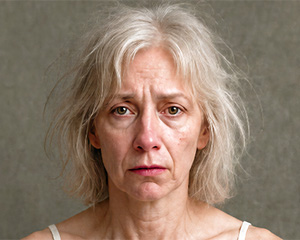
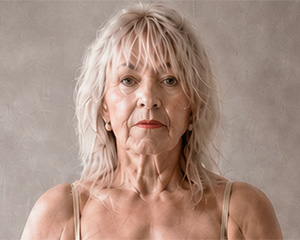
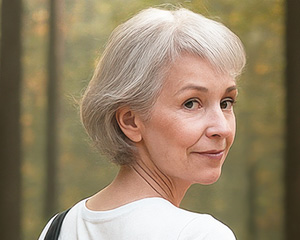
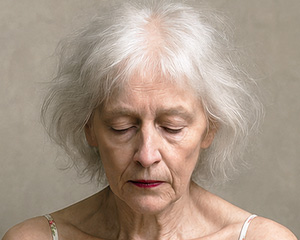
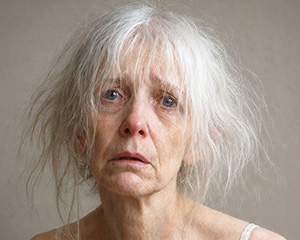
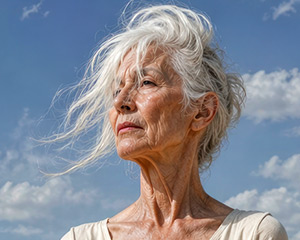
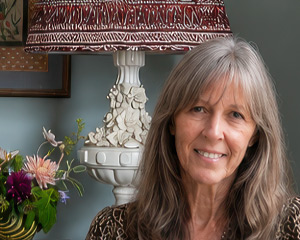
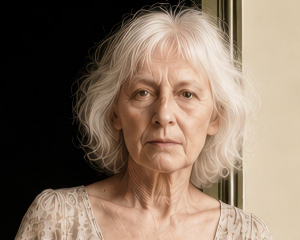
This exhibition brings together a series of imagined portraits and scenes centred on women in later life. The women in these pictures are not presented simply as "elderly", nor as symbols of decline. They are shown as vivid, particular, embodied human beings: solitary, watchful, dignified, vulnerable, theatrical, resilient, humorous, self-conscious, beautiful, uncertain, and still fully present.
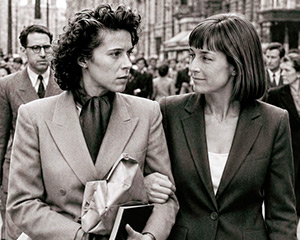
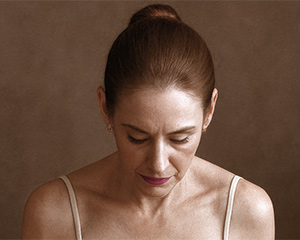
Some of the images are close portraits. Others place women in rooms, studios, streets, chairs, doorways, beds, or moments of performance and hesitation. They are fictional women, but they are intended to feel as if they have lived. Each carries the suggestion of a private history: choices made or denied, loves remembered, work done, opportunities missed, bodies altered by time, and the quiet effort of remaining oneself.
The title 'Women of Age' is deliberately open. It refers to women who are older, but also to women who possess age: who carry it as experience, memory, endurance and authority. Age here is not treated as disappearance. It is a condition of presence. These women have not faded out of significance. They ask to be looked at properly.
The exhibition was partly shaped by listening to older women speak about their lives. One woman, aged ninety-two, reflected that when she was young, marriage and economic dependence were often not choices but structures. She spoke of the career she might have had, the independence she could not afford, and the opportunities that were not available to women of her generation. Another elderly woman spoke more sharply of survival: the need to be able to stand alone, not from coldness, but from stability; so that when someone stands beside you, it is a choice rather than a need.
These voices helped clarify the emotional ground of the work. The images are not about serenity alone. They are about presence, memory and quiet endurance. They are about women carrying the lives they were allowed, and sometimes the lives they were not allowed. They are about the long shadow of dependence, the cost of being overlooked, and the strength required to remain intact when love, beauty, usefulness, work, youth, or social expectation changes around them.
At the same time, these pictures are not documents of suffering. They also contain play, style, sensuality, theatricality, pride and humour. A woman may sit alone and still want to be seen. She may dress carefully, display her legs, stand in a doorway, dance, wait, remember, or simply look back at the viewer. These gestures are small, but they matter. They suggest self-possession. They say: I am still here. I am still mine.
Some of the images use balletic clothing, slips, tutus, bare shoulders, light fabrics and theatrical poses. These choices are not intended simply to prettify older women, nor to reduce them to objects of display, though the images do not deny beauty, sensuality or the viewer’s awareness of the body. Rather, this clothing often works as a metaphor. It suggests the dreams of girlhood: grace, performance, romance, transformation, the promise of becoming someone radiant or exceptional. For many women, such dreams may have been encouraged early in life, only to become impractical, unavailable, unaffordable, or quietly abandoned.
In these pictures, the dream returns late. A woman may appear in a tutu or a slip not because she is pretending to be young, but because age has given her a different kind of permission. She can now imagine herself as she once hoped to be, or as she was never allowed to become. The costume becomes less a disguise than a private claim: a way of saying that fantasy, beauty and self-invention still belong to her. If it gives her dignity, pleasure, courage or tenderness towards herself, why should she not have it?
Each print in the exhibition is accompanied by a short written reflection or story, accessible by QR code in the gallery. The aim is to allow each woman to exist not only as an image, but as the beginning of an imagined life. Visitors can choose to look first, then read; or read, then return to the picture with a changed sense of who they may be seeing.
The images in this exhibition are not intended as pictures for their own sake. They are made with the belief that art begins in intent: in the decision to look, to imagine, to care, and to give form to an inner life. The women are therefore not anonymous figures or decorative subjects. They are given names — Ursula, Edith, Annie, Lynne, Elise and others — because naming is part of making them real within the work.
These names are not incidental. They invite the viewer to see each woman as someone with a life beyond the frame: a history, a temperament, a private dignity, a past she carries and a present she still inhabits. The aim is not simply to show an image of an older woman, but to suggest a person: someone who might have loved, worked, hoped, endured, regretted, performed, hidden, remembered, survived, and continued.
After the exhibition, prints will be offered for sale, with proceeds donated to [name of women's charity] in support of their work with women and families affected by domestic abuse and violence. This charitable connection is not intended to make every image into a statement about abuse. Rather, it reflects a wider concern running through the work: the dignity, safety, visibility and inner life of women, especially those whose stories have too often been reduced, dismissed, or left untold.
Women of Age is an invitation to look slowly. To see age not as absence, but as accumulation. To recognise beauty without sentimentality. To imagine the person behind the pose. And to honour the endurance of women who have lived, remembered, survived, and remained.
Website made with Patrick's own Works Unit »